Charity Lodge No. 67
Ancient, Free, and Accepted Masons of the Canadian Rite in Lethbridge, Alberta
who we are
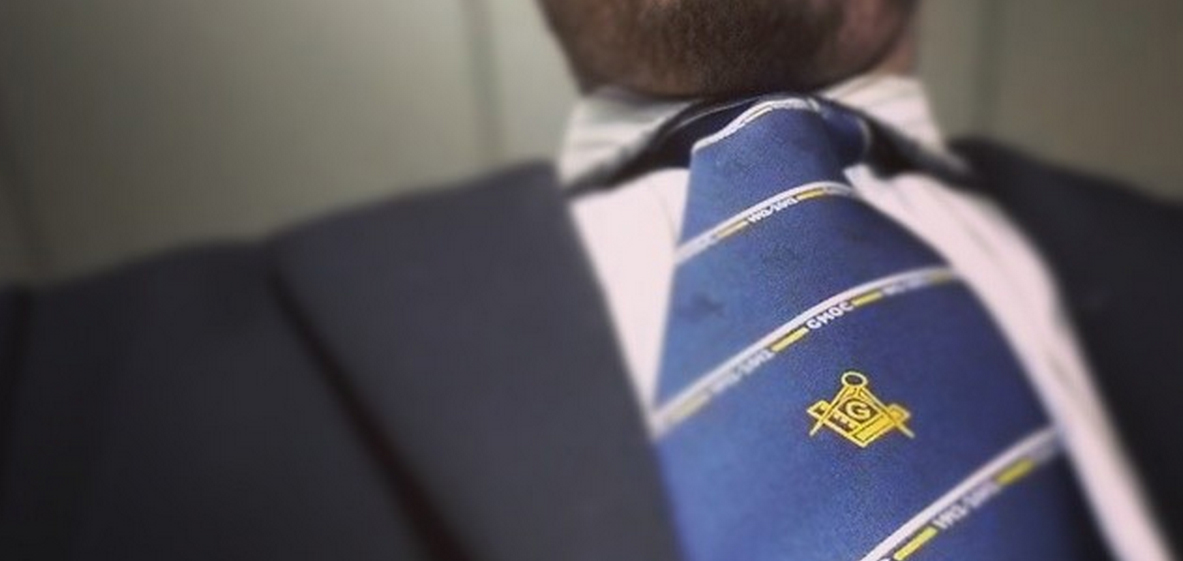
We are the Great Men of Charity (GMOC)
Charity Lodge No. 67 is a Canadian Rite Masonic Lodge formed in Lethbridge under the Grand Lodge of Alberta in 1912.

Meetings
We meet regularly at the Lethbridge Masonic Hall on the evening of the third Monday of each month. Visiting?

Frequently Asked Questions
Freemasonry means something different to each member. For some, it’s about belonging to one of the world’s historically oldest and largest non-religious, non-political, fraternal and charitable organisation for all parts of society. For others it’s about camaraderie, making new friends and a brotherhood that stands the test of time. But for most, Freemasonry is a way of life. Below are a selection of frequently asked questions and responses about Freemasonry.
An ancient system of morality, veiled in allegory, and illustrated by symbols.
Freemasonry is one of the world’s oldest secular fraternal societies. Freemasonry instills in its members a moral and ethical approach to life: it seeks to reinforce thoughtfulness for others, kindness in the community, honesty in business, courtesy in society and fairness in all things.
For many years Freemasons have followed three great principles and believe that these principles represent a way of achieving higher standards in life. They are:
- Brotherly Love – Every true Freemason will show tolerance and respect for the opinions of others and behave with kindness and understanding to his fellow creatures.
- Relief – Freemasons are taught to practice charity and to care – not only for their own – but also for the community as a whole, both by charitable giving and by voluntary efforts and works as individuals.
- Truth – Freemasons strive for truth, requiring high moral standards and aiming to achieve them in their own lives.
A Craft Lodge, or also referred to as a Blue Lodge, or just Lodge, is the basic unit in Freemasonry.
There are some allegorical, symbolic and historical meanings for the color blue to be associated with Masonic Lodges, but they are not expressly named in Masonic ritual nor is the term “Blue Lodge” ever specified in the Rules & Regulations
The jurisdiction of the Grand Lodge of Alberta has over 100 Particular Lodges.
One of Freemasonry’s customs is not to solicit members. However, anyone should feel free to approach any Mason to seek further information about the Craft. Membership is open to men of all faiths, 21 years of age or older, who meet the qualifications and standards of character and reputation, who are of good moral character, and who believe in the existence of a Supreme Being. A man who wants to join a lodge must be recommended by two members of that lodge. He must understand that his character will be investigated. After approval by the members of that lodge, he will be accepted as an applicant for membership in Freemasonry. The doors of Freemasonry are open to men who seek harmony with their fellow man, feel the need for self-improvement and wish to participate in making this world a better place to live. All applicants must come of their own free will. To be one…ask one.
Basic Freemasonry consists of three degrees – Entered Apprentice, Fellowcraft and Master Mason. However, there are many other Masonic degrees and Orders which are called ‘additional’ or ‘appendant’ because they add to the foundations established in the first three degrees. They are not basic to Freemasonry but add to it by further expounding upon and illustrating the moral lessons taught. Some of these additional degrees are numerically superior to the third degree but this does not affect the fact that they are additional to and not in anyway superior to or higher than the Master Mason degree. The ranks that these additional degrees carry have no standing with the Craft.
Freemasonry is not a religion, nor is it a substitute for religion. It has no theology and does not teach any route to salvation. It deals in a man’s relationship with his fellow man not in a man’s relationship with his God. Although every lodge meeting is opened and closed with a prayer and its ceremonies reflect the essential truths and moral teachings common to many of the world’s great religions, no discussion of religion is permitted in Masonic meetings. The one essential qualification means that Freemasonry is open to men of many religions and it expects and encourages them to continue to practice his religion and to regard its holy book as the unerring standard of truth. The Bible will always be present in a lodge but as the organization welcomes men of all faiths, it is called the Volume of the Sacred Law.
The secrets of Freemasonry are concerned with its traditional modes of recognition. It is not a secret society, since all members are free to acknowledge their membership and will do so in response to enquiries for respectable reasons. There is no secret about any of its aims and principles. Like many other societies, it regards some of its internal affairs as private matters for its members. In history there have been times and places where promoting equality, freedom of thought or liberty of conscience was dangerous. Most importantly though is a question of perspective. Each aspect of the craft has a meaning. Freemasonry has been described as a system of morality, veiled in allegory and illustrated by symbols. Such characteristics as virtue, honour and mercy, such virtues as temperance, fortitude, prudence and justice are empty clichés and hollow words unless presented within an ordered and closed framework. The lessons are not secret but the presentation is kept private to promote a clearer understanding in good time. It is also possible to view Masonic secrecy not as secrecy in and of itself, but rather as a symbol of privacy and discretion. By not revealing Masonic secrets, or acknowledging the many published exposures, Freemasons demonstrate that they are men of discretion, worthy of confidences, and that they place a high value on their word and bond.
For more responses to frequently asked questions about Freemasonry, please visit the Grand Lodge of Alberta website.